



Introduction to the crop and its cultivation
For readers new to the crop, these guides explain what miscanthus is and how it is grown.
What is giant miscanthus?
The article covers the uses of the perennial grass, where it grows and why one planting is harvested for years.
How to plant and grow miscanthus
The guide covers site selection, planting, the first years before full yield and the main risks during establishment.
Buy rhizomes
The page sets out prices, documents and how to order G1 and G2 Illinois clone rhizomes from our own plantations.
Market outlook for miscanthus
These research articles for buyers, investors and policymakers examine the industries in which demand for miscanthus is likely to grow next.
Miscanthus as fuel: the value of a tonne of bales
A tonne of bales holds about 4 MWh and replaces about 400 m³ of gas. Heat from your own bales costs €21-24 a megawatt-hour for the fuel alone, against €52-143 from gas in 2025. We give costs for a grain dryer, a farm, a house and a sugar factory in the EU and Ukraine, including cases where burning bales does not pay.
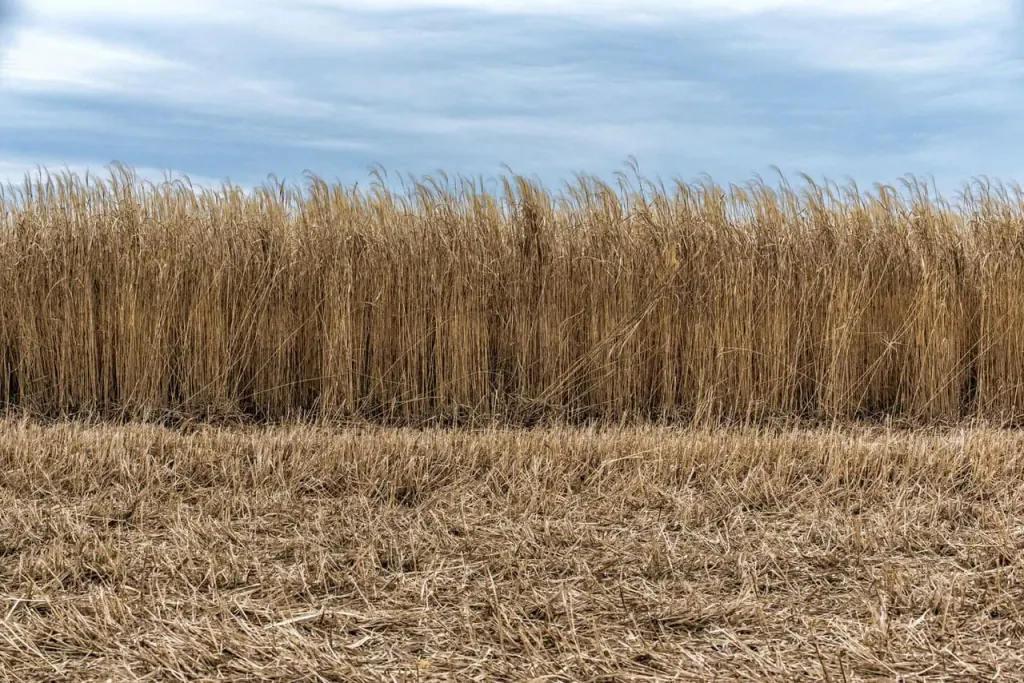
Grain drying with miscanthus: the cost of drying a tonne of maize
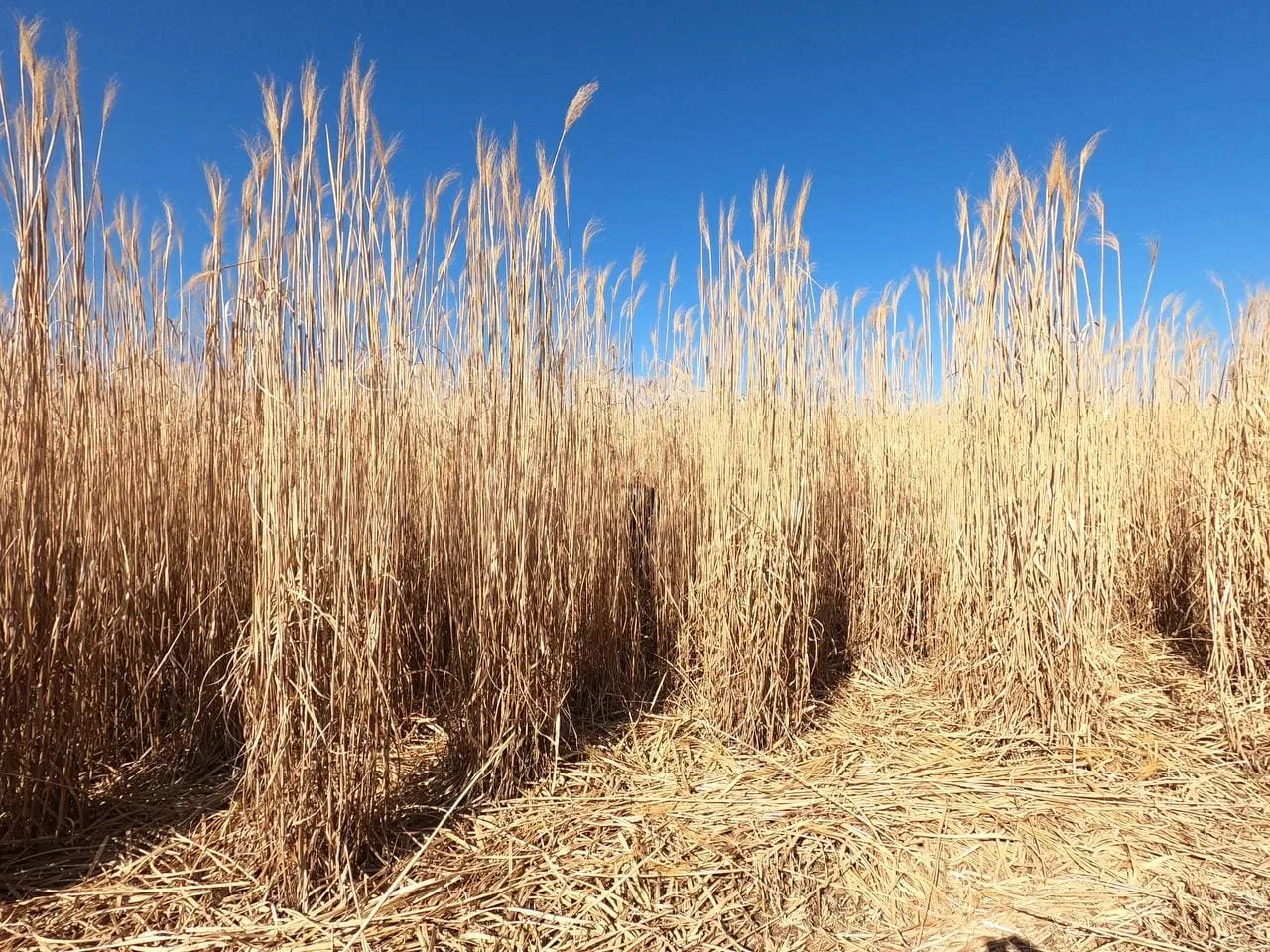
Drying a tonne of maize takes about 210 kWh, the heat from 24 m³ of gas or 65 kg of bales. We compare the cost of a tonne-percent on gas, chips, husk, willow and own bales, with and without the furnace, and cover a sugar factory and farms that switched from gas.
Heating with miscanthus: bales from three hectares cover a farm's heat
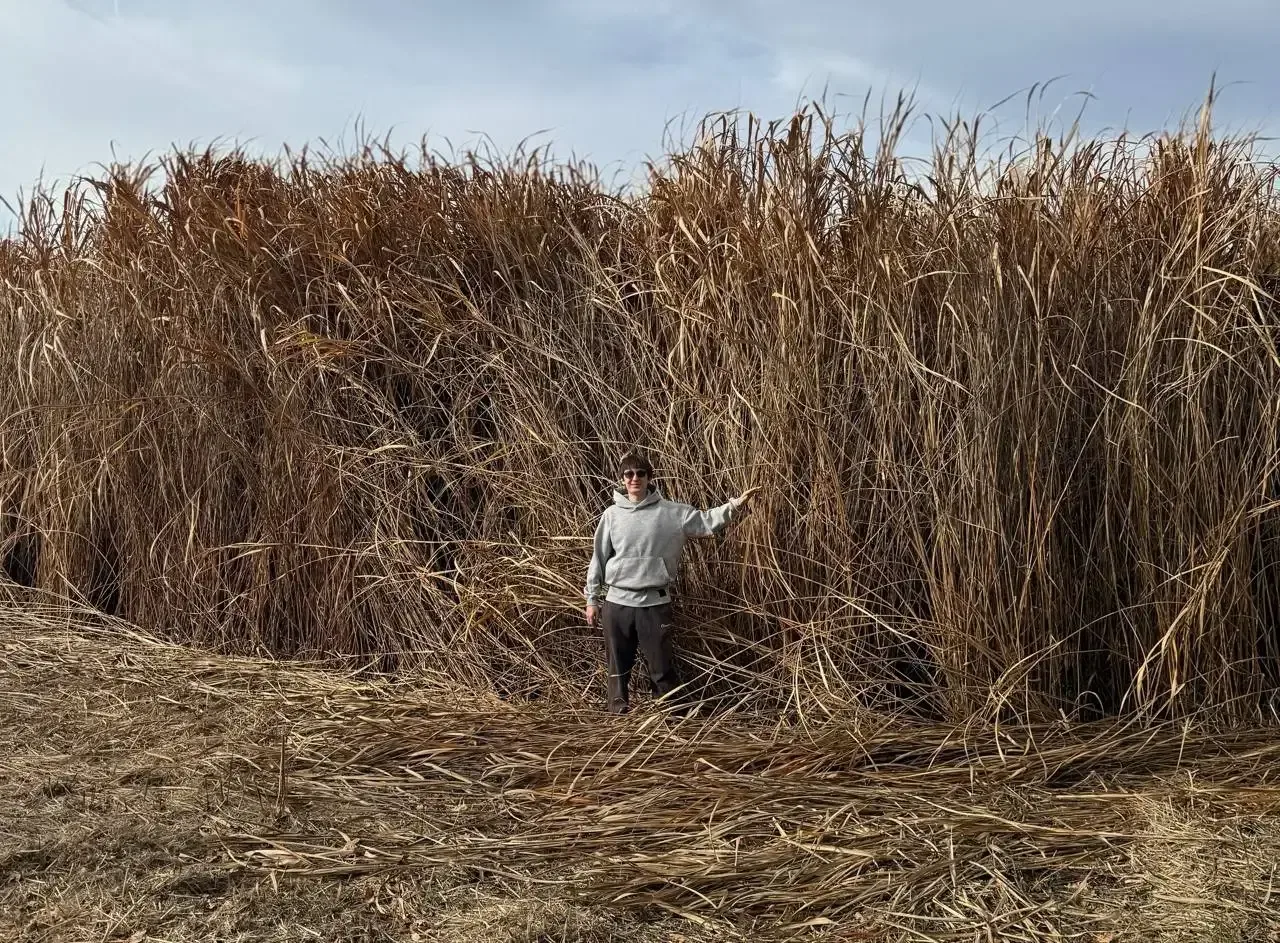
Bales from three hectares give a farm 212 MWh of heat a year, at €61-70 a megawatt-hour against €115 on gas. We also give costs for a house and an estate and cover the boiler built for straw, its users and the rules.
EU law requires sustainable aviation fuel, and supply lags behind demand
It takes years to build production plants and grow the feedstock. We explain why supply is expected to fall short of the 2030s mandates, why SAF is likely to keep a price premium and why the feedstock has to be planted first.
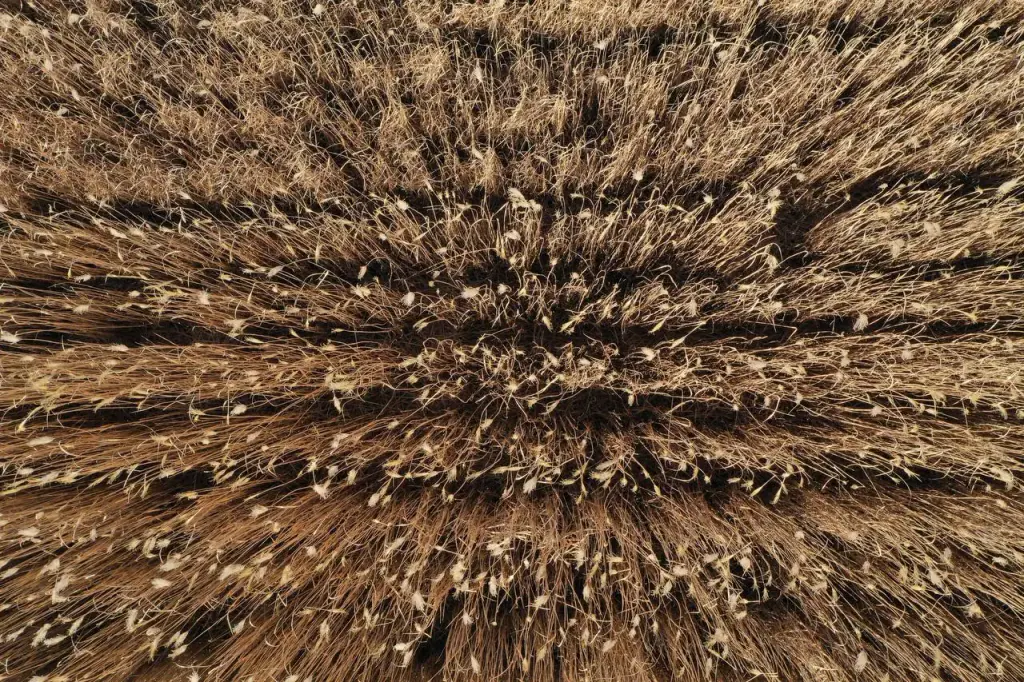
Miscanthus on marginal and contaminated land
In the EU, 8% of registered contaminated sites have been cleaned up, and in Ukraine millions of hectares cannot be farmed. We describe miscanthus on such land, why its harvest can often be sold after laboratory testing, and where the evidence is mixed.
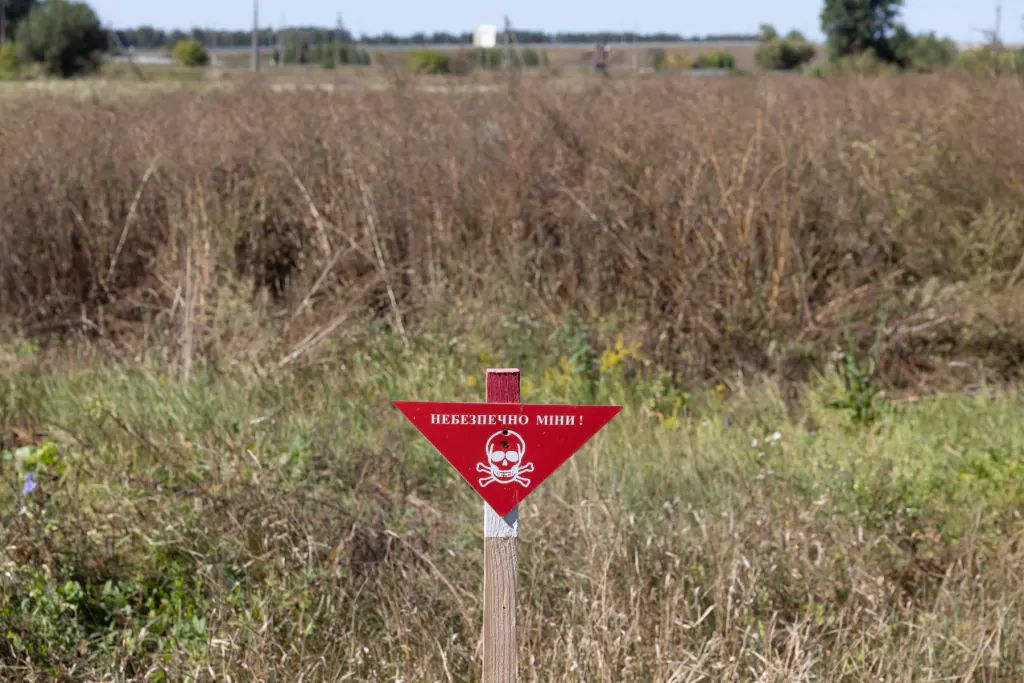
Planting, the green hedge and the products made from the harvest
These articles cover the planting operation and the choice of density, miscanthus as a hedge or screen, and the mulch and the growing medium that we are preparing for retail.
Planting rhizomes: timing, depth, machines and density
When to plant, how the rhizomes are handled, which planter to use, and what 15,400, 17,800 and 20,000 rhizomes per hectare give in the first years and at harvest.
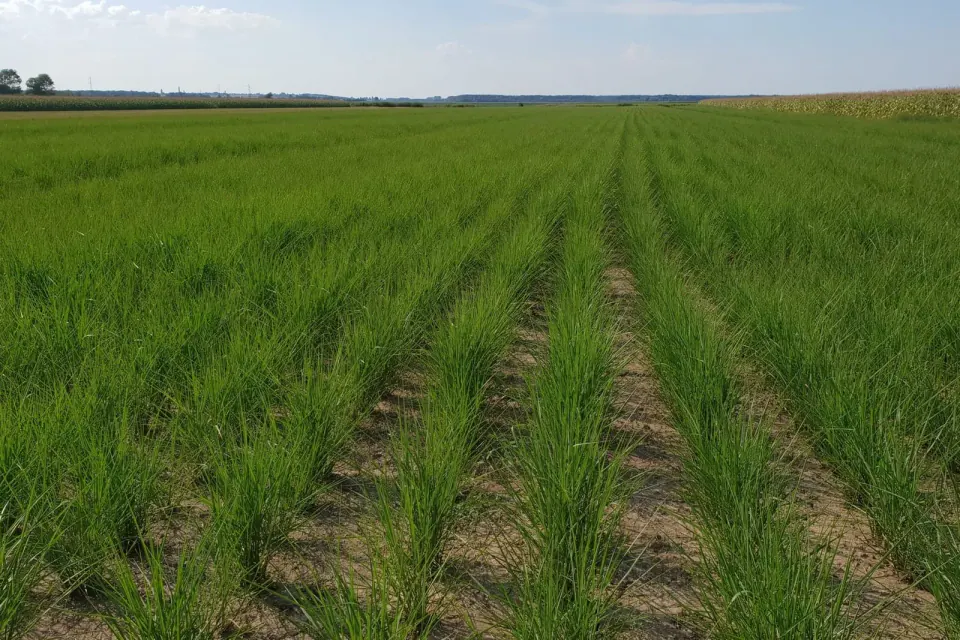
A miscanthus hedge: one to five rows
Layouts at 50-100 cm, what the hedge looks like through the year, the rules on boundaries, and what to do with the canes cut each winter.
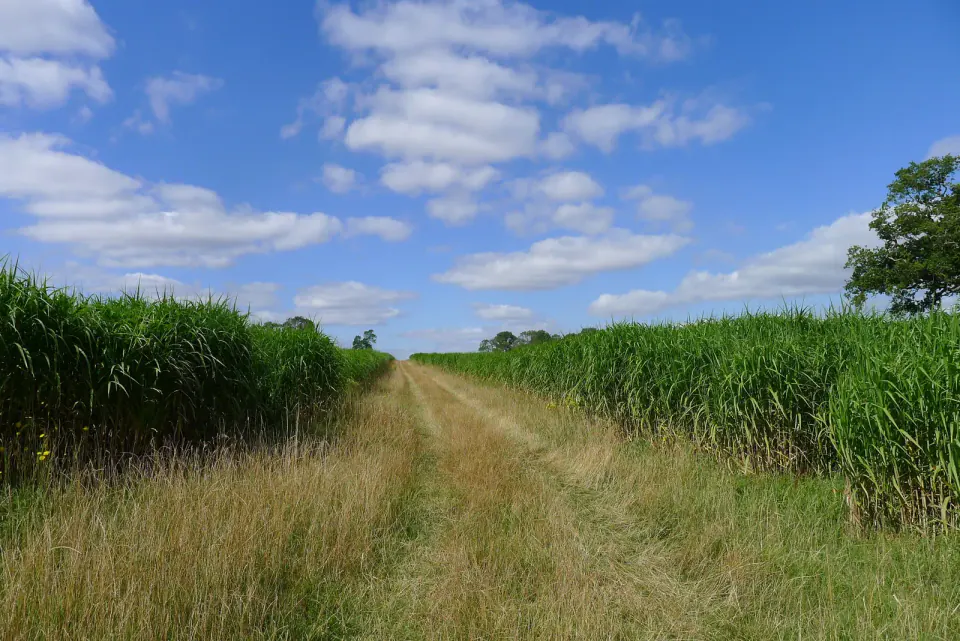
Miscanthus mulch
What the trials measured on beds, vines and greenhouse soil, how thick to spread it, how long it lasts, and how it compares with straw, bark and wood chips.
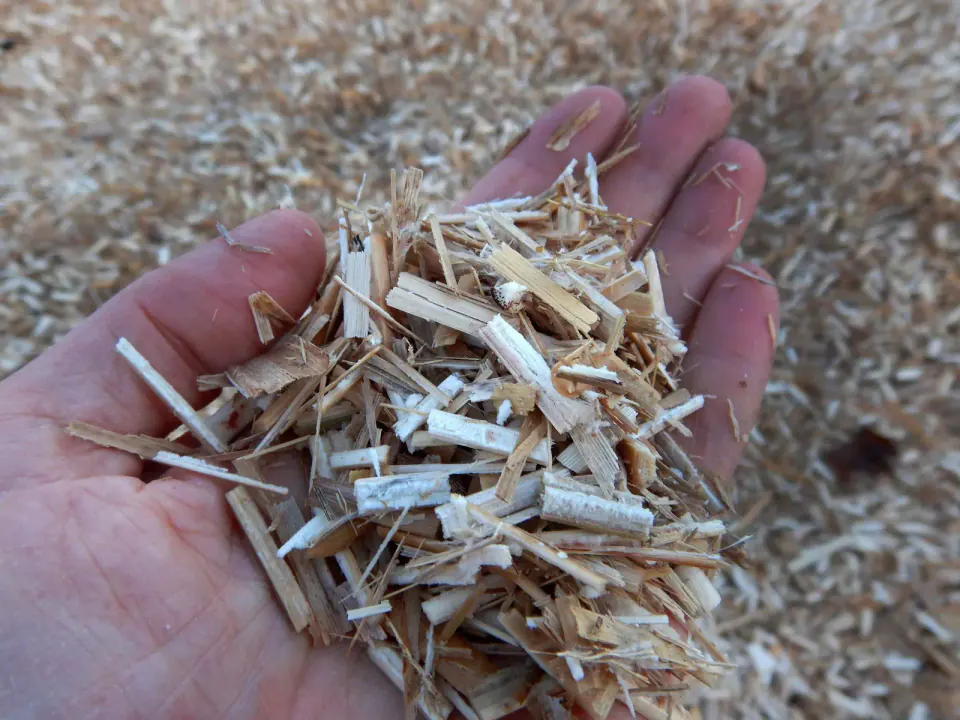
Miscanthus as a growing medium
What the trials found for miscanthus fibre in pots and on slabs, the nitrogen and water it needs, processing, costs and peat policy.